
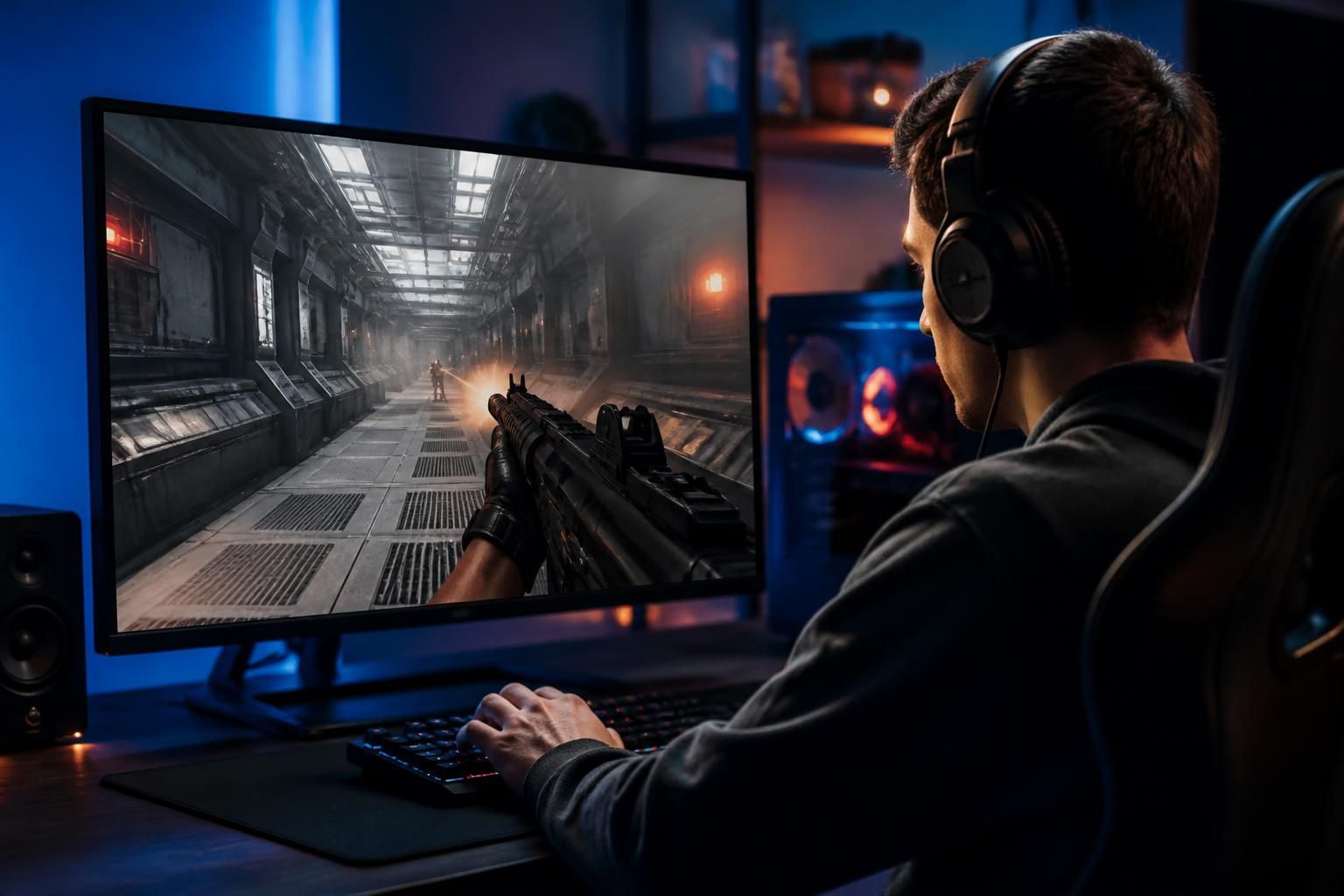
Internet speed and online game performance are intricately linked, playing a crucial role in the gaming experiences of players worldwide. As technology evolves and online gaming continues to gain momentum, the relationship between how fast data can be transmitted and the smoothness of gameplay becomes increasingly significant. For gamers, understanding this connection can mean the difference between a favorable victory and a frustrating defeat.
Understanding Internet Speed: What It Means for Gaming
Internet speed, typically measured in megabits per second (Mbps), indicates how quickly data is uploaded or downloaded through a network. In the context of online gaming, key metrics include both download speed and upload speed, as well as latency, which refers to the time it takes for data to travel between the player’s device and the game server. While download speed is often emphasized, both aspects are crucial for an optimal gaming experience.
High download speeds ensure that game updates, patches, and downloadable content can be quickly accessed, allowing players to enjoy new features and fixes without delays. However, upload speed is equally essential when players interact with game servers, particularly in multiplayer environments. If upload speeds are inadequate, players may experience lag, which can lead to missed opportunities during crucial gameplay moments.
The Impact of Latency on Online Gaming Performance
Latency, often measured in milliseconds (ms), is one of the most critical factors affecting online gaming performance. A low latency means that commands entered by players are transmitted quickly to the game servers, resulting in a more responsive gaming experience. Conversely, high latency can lead to lag, where actions appear delayed, which is particularly detrimental in fast-paced competitive games.
In esports, for example, even a few milliseconds can affect the outcome of a match, emphasizing the need for gamers to seek low-latency connections. Players often use wired connections instead of Wi-Fi to minimize latency, as wired connections typically provide a more stable and faster response time. Additionally, many gamers opt for servers that are geographically closer to their location to reduce latency further.
Choosing the Right Internet Connection for Gaming
When it comes to selecting an internet service provider (ISP) for online gaming, several considerations come into play. Fiber optic connections are becoming increasingly popular for serious gamers due to their high speed and low latency. Cable and DSL connections are also viable options, but they may not offer the same performance consistency, especially during peak usage times.
Beyond speed, gamers should also consider the reliability of the connection. Frequent outages or slowdowns can significantly disrupt gameplay, making it essential to choose an ISP with a reputation for dependability. Additionally, many ISPs offer tiered plans that provide various speed options at different price points, allowing gamers to choose a plan that best fits their gaming habits and budget.
The Role of Bandwidth in Multiplayer Gaming
Bandwidth refers to the maximum amount of data that can be transmitted over an internet connection in a given time frame. It is a critical component of internet speed and can significantly affect online gaming performance, particularly in multiplayer settings. When multiple devices are connected to the same network, available bandwidth is shared, which can lead to slower speeds and increased latency for all users on that network.
For gamers who share their connection with family members or roommates, it may be beneficial to prioritize gaming traffic through Quality of Service (QoS) settings on their home router. QoS allows users to allocate bandwidth to specific applications or devices, ensuring that gaming sessions remain smooth even when other devices are actively using the internet. This adjustment can make a noticeable difference in gameplay, especially during high-stakes competitions or immersive online experiences.
The Future of Internet Speed and Online Gaming Performance
As technology advances, the expectations for internet speed and online gaming performance continue to rise. With the rollout of 5G technology and improvements in fiber optic networks, gamers can anticipate faster connections and even more reliable service. These enhancements will not only benefit traditional online gaming experiences but also support emerging technologies such as virtual reality (VR) and augmented reality (AR), which demand high speeds and low latency for optimal performance.
Moreover, as game streaming services gain traction, the demand for robust internet connections will only increase. Players looking to stream high-quality gameplay or engage in real-time interactions will require even more from their internet connections, further solidifying the necessity of high-performance networks in the gaming landscape.
Conclusion: The Essential Link Between Internet Speed and Gaming Performance
In conclusion, understanding the relationship between internet speed and online game performance is vital for any serious gamer. Optimal speeds, minimal latency, and sufficient bandwidth are essential for a seamless gaming experience, particularly in competitive environments where every millisecond counts. As technology continues to evolve, prioritizing a high-quality internet connection will remain crucial for gamers seeking to maximize their performance and enjoyment. With advancements on the horizon, the connection between internet speed and online gaming performance is set to become even more significant in the years to come.
For further insights into gaming-related topics, including trends and technology in the industry, consider exploring additional resources to stay informed about the evolving gaming landscape. One interesting reference can be found here: สล็อต.